They walk red carpets under flashing lights, command millions on screen, and define global trends. But behind the glamour, a darker reality persists—one where A-listers are routinely torn apart for their looks, their bodies, their very identities. The trolling is unrelenting, often anonymous, and deeply personal. And now, more stars than ever are speaking out about the emotional toll of being relentlessly bullied online and off.
This isn’t about playful fan banter or harmless memes. This is a psychological war waged in comment sections, on social platforms, and even in tabloid headlines. The targets? The very people who shape our cultural landscape. From body-shaming to doctored images, from viral ridicule to coordinated hate campaigns, the psychological scars run deep.
The Anatomy of Celebrity Appearance Trolling
Trolling in Hollywood isn’t random—it’s often systematic. Attackers zero in on physical traits: noses, skin tone, weight, height, aging signs. These aren’t isolated jabs; they’re sustained attacks amplified by algorithms that reward outrage.
Take the viral doctored image. A paparazzi photo is cropped, filtered, or manipulated to exaggerate a “flaw.” Suddenly, an actress’s natural expression becomes “ugly,” a singer’s outfit is “disastrous,” a star’s weight gain is “proof of decline.” These images spread like digital wildfires.
Common tactics include: - Body-shaming memes that circulate for years - Fat-shaming hashtags trending after red carpet events - Racist commentary disguised as “aesthetic critique” - AI-generated deepfakes used to humiliate
The irony? Many of these traits are shaped or forced by the industry itself—extreme diets, cosmetic procedures, lighting tricks—only for stars to be mocked when they don’t meet manufactured standards.
Stars Who Broke the Silence
Lizzo: Weaponizing Confidence Against Hate
When Lizzo walks into a room, she owns it. But that confidence was forged in fire. She’s been called “disgusting,” “a joke,” and “unfit to be famous” solely for her size. In interviews, she’s admitted to waking up to thousands of hateful comments after performances.
“They don’t hate my body. They hate that I love it,” she said in a 2022 interview.
Her response? Double down. She posts unretouched photos, calls out trolls in live streams, and turns insults into empowerment anthems. Yet behind the bravado, she’s spoken about therapy, panic attacks, and the exhaustion of constant scrutiny.
Chris Hemsworth: Even Gods Get Targeted
When Chris Hemsworth first appeared as Thor, he was hailed as the ideal male specimen. Then the trolling shifted—suddenly, he was “too bulky,” “overrated,” “aging poorly.” After stepping back from the role, memes mocked him as “dad bod Thor.”
The irony? The weight gain was medically advised due to a genetic risk for Alzheimer’s. But the internet didn’t care. The bullying continued, proving that no level of fame, fitness, or accomplishment immunizes someone from cruelty.

Zoë Kravitz: Beauty Standards and Racial Gaslighting
Zoë Kravitz, often praised for her style and elegance, has faced relentless criticism for her facial features—particularly her nose. Online forums dissect her appearance with pseudo-aesthetic jargon, calling her “unattractive” or “miscast” in roles.
What’s insidious is how these critiques often carry racial overtones, disguised as “objective beauty analysis.” She’s responded by embracing her identity more boldly—launching a beauty brand that celebrates diverse features and rejecting industry pressure to conform.
The Industry’s Role in Enabling Abuse
Hollywood doesn’t just tolerate appearance-based bullying—it often profits from it.
Tabloids: The Original Trolling Machines
Before Twitter, there were magazine covers. “Who Wore It Better?” “Stars: Then vs. Now (and What Went Wrong).” “Meltdown Weight Gain!” These headlines aren’t journalism—they’re humiliation dressed as entertainment.
These stories aren’t passive observations. They’re written to provoke clicks, often using manipulated images and inflammatory language. And when celebrities respond, the cycle intensifies: “Star Lashes Out After Fat-Shaming Photos!”
Casting Bias and Internalized Trolling
Many actors report being told to “lose a few pounds” before landing roles—even when their weight is medically healthy. Others are passed over for looking “too ethnic,” “too plain,” or “too old.”
This internalized bias creates a culture where stars police their own appearances, often resorting to dangerous measures. The same people mocked online are being pressured offline to change—by the very system that claims to celebrate them.
Social Media: The Amplifier of Cruelty
Platforms like Instagram, X (formerly Twitter), and TikTok have democratized fame—but also democratized hate.
Anonymity Breeds Aggression
Trolls operate under fake accounts, shielded by usernames and avatars. They say things they’d never dare in person. A single post can attract thousands of comments in minutes—many of them vicious.
Worse, algorithms favor engagement—positive or negative. A hateful comment thread can boost a post’s visibility, creating a feedback loop of abuse. Celebrities aren’t just targeted; they’re monetized by the platforms hosting the attacks.
The “Fan” Paradox Many trolls claim to be “fans” who “just want the best” for the star. But their language is indistinguishable from harassment.
“She’d be beautiful if she just lost weight.” “He’s ruined his career with that haircut.” “Why does she keep acting? She’s not even pretty.”
These “constructive” critiques are emotionally corrosive. And because they come from people who claim affection, they’re harder to dismiss.
The Psychological Cost of Constant Scrutiny
Being famous doesn’t make someone immune to pain. In fact, the constant exposure can deepen trauma.
Anxiety, Depression, and Isolation
Studies show that public figures exposed to online harassment report higher rates of anxiety, depression, and suicidal ideation. The 24/7 spotlight means there’s no escape—even at home, a phone notification can deliver a fresh wave of abuse.
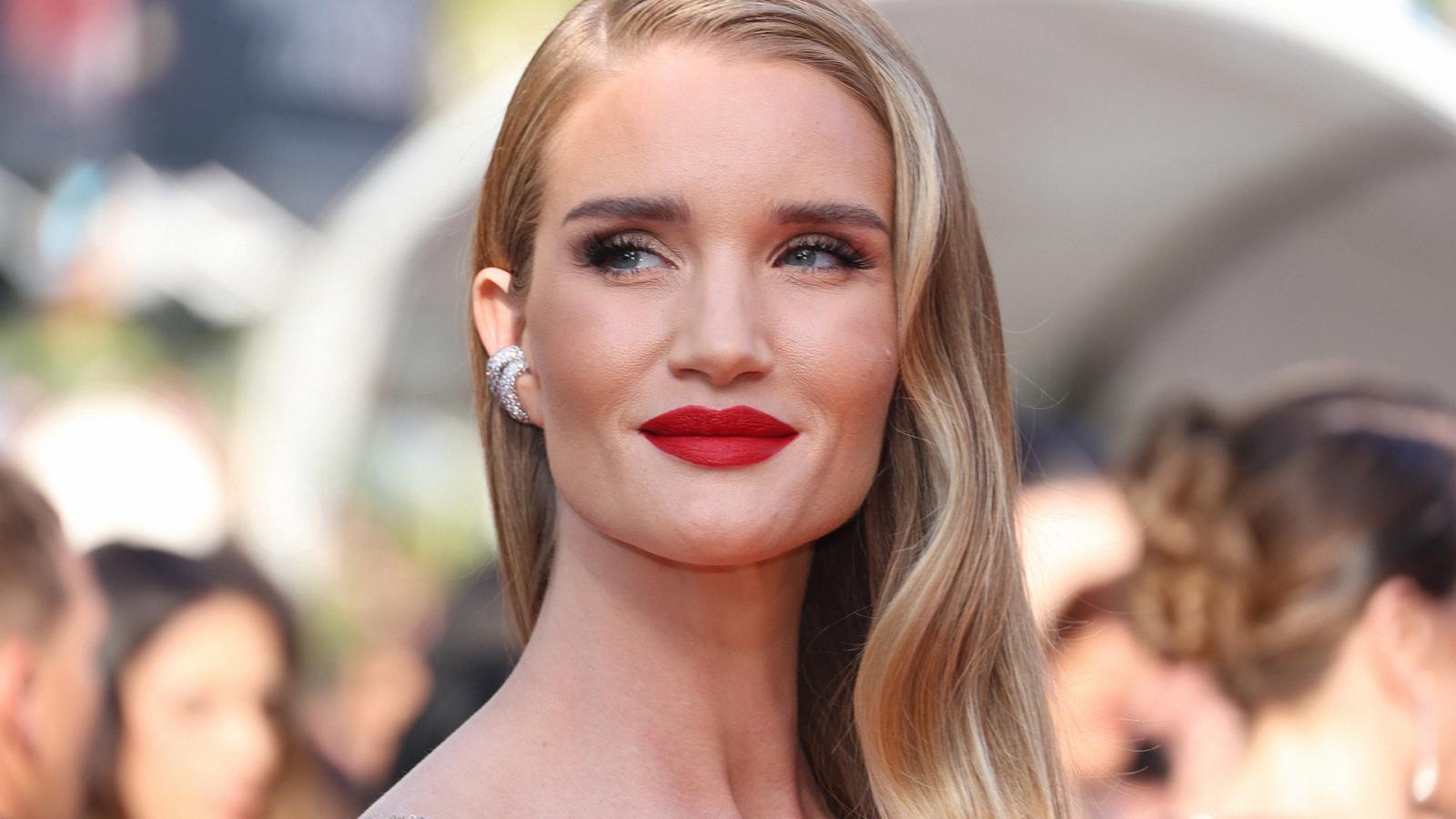
Emma Stone once revealed she developed panic attacks after a wave of criticism over her appearance in a film. “I started avoiding mirrors. I stopped watching myself in movies,” she said.
Disordered Eating and Body Dysmorphia
Many stars admit to developing eating disorders due to pressure to maintain a certain look. Singer Demi Lovato has been vocal about how online comments about her weight triggered relapses, even during recovery.
Body dysmorphic disorder (BDD) is increasingly reported among performers who feel their worth is tied to appearance. The line blurs between self-improvement and self-destruction.
Why We Keep Feeding the Machine
The truth is, we’re all complicit.
Clicks = Currency
Every time we engage with a “celebrity fashion fail” video or a “before and after plastic surgery” slideshow, we reinforce the system. Our curiosity fuels the outrage economy.
Even outrage against trolling can backfire. A post saying “Stop body-shaming this actress!” still centers her body—and draws more attention to the original attack.
The Cult of Perfection
We’ve been conditioned to expect flawlessness. Celebrities are treated as avatars, not humans. When they gain weight, age, or make a fashion misstep, we react as if they’ve broken a contract.
But no one is immune to change. No one is perpetually camera-ready. Yet we hold stars to impossible standards—then punish them for failing.
How Some Stars Are Fighting Back
Legal Action Against Trolls
Some celebrities are taking legal steps. In 2023, British star Jameela Jamil filed lawsuits against users who spread deepfake images of her. Others have worked with cyberbullying watchdogs to have accounts removed.
But legal routes are slow, expensive, and often ineffective—especially when trolls operate overseas.
Public Callouts and Awareness Campaigns
Stars like Selena Gomez and Millie Bobby Brown have used their platforms to expose trolling, sharing screenshots of hateful messages to highlight their severity.
Gomez launched a mental health app partly in response to her own struggles with online hate. “No one should feel this way because of comments,” she said.
Reclaiming the Narrative
Some are flipping the script entirely. Actress Jameela Al-Mansour started a campaign where fans post unedited photos with the hashtag #MyFlawlessFlaws. Others have hired “anti-troll” teams to monitor and counter abuse in real time.
A Call for Collective Responsibility
The culture of appearance-based bullying in Hollywood won’t end with celebrity testimonials or viral campaigns. It requires a shift in how we consume, share, and judge.
Unfollow accounts that thrive on shaming. Mute hashtags that reduce people to their looks. Question your own reactions: Why does this bother me? Who benefits from this narrative?
Fame shouldn’t be a free pass for cruelty. No one—no matter how rich, talented, or visible—should be subjected to relentless bullying over how they look.
The trolls may never disappear. But we can choose not to empower them.
FAQ
Why do celebrities stay on social media if it’s so toxic? Many rely on it for career promotion, fan engagement, and personal branding. Leaving can mean losing influence and opportunities.
Can online trolling lead to real-world harm? Yes. Persistent harassment has been linked to anxiety, depression, self-harm, and in extreme cases, suicide.
Are there laws against celebrity trolling? Some countries have cyberbullying laws, but enforcement is difficult—especially across borders and on anonymous platforms.
Do studios protect their stars from online abuse? Rarely. Most studios prioritize image control over mental health support, often advising silence to avoid “feeding the fire.”
How can fans support celebrities facing trolling? By reporting abusive content, sharing positive messages, and refusing to engage with or amplify shaming narratives.
Is body-shaming worse for female celebrities? Women face more intense scrutiny, but male stars are increasingly targeted too—especially around aging, weight, and perceived “decline.”
What can social media platforms do differently? Improve moderation, deprioritize engagement-driven algorithms, and provide better mental health resources for high-profile users.
FAQ
What should you look for in Hollywood Trolling Horror: A-Listers Expose Relentless Bullying? Focus on relevance, practical value, and how well the solution matches real user intent.
Is Hollywood Trolling Horror: A-Listers Expose Relentless Bullying suitable for beginners? That depends on the workflow, but a clear step-by-step approach usually makes it easier to start.
How do you compare options around Hollywood Trolling Horror: A-Listers Expose Relentless Bullying? Compare features, trust signals, limitations, pricing, and ease of implementation.
What mistakes should you avoid? Avoid generic choices, weak validation, and decisions based only on marketing claims.
What is the next best step? Shortlist the most relevant options, validate them quickly, and refine from real-world results.