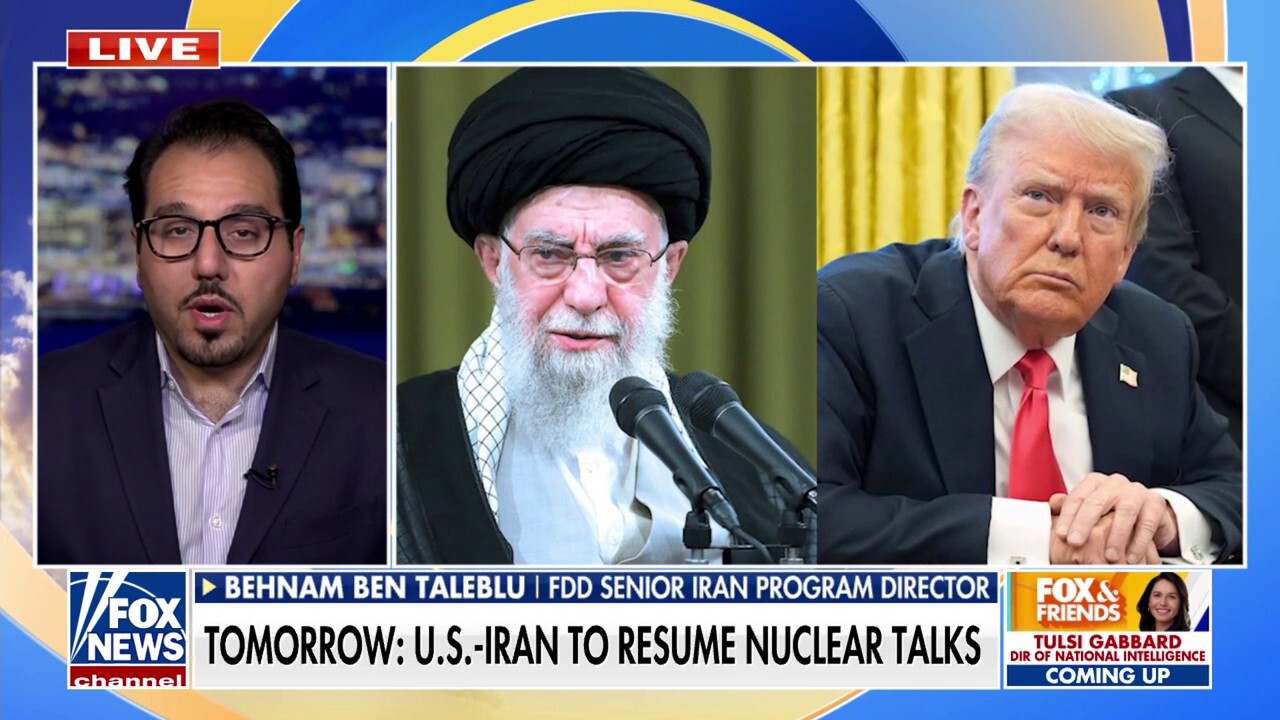
Iran is moving fast—and quietly—on the world stage. While Washington proclaims strategic superiority, Tehran is rebuilding alliances, opening backchannels, and reshaping its global posture through a calculated flurry of diplomacy. At the same time, Donald Trump continues to insist the U.S. holds all the cards, framing American sanctions and military presence as unassailable leverage. But actions speak louder than rhetoric. Behind the headlines, both nations are navigating a high-stakes game of influence, perception, and survival.
This isn’t diplomacy for show. It’s damage control, recalibration, and long-term positioning—all unfolding while the specter of renewed nuclear escalation looms.
Why Iran Is Suddenly So Active Diplomatically For years, Iran was isolated, its foreign policy constrained by sanctions, regional rivalries, and internal instability. But recent months have seen a dramatic shift. Iranian officials are meeting with counterparts from China, Russia, Gulf states, and even European envoys in third-party capitals. The goal? Reduce isolation, break economic deadlock, and create alternatives to U.S.-centered global systems.
Consider these moves: - A surprise visit by Iran’s Foreign Minister to Beijing, where talks focused on expanding energy and infrastructure cooperation under the Belt and Road Initiative. - Reconciliation with Saudi Arabia, mediated by China, leading to the reopening of embassies. - Renewed dialogue with Iraq and Syria to stabilize supply routes and counter shared threats. - Engagement with Brazil and South Africa to strengthen Global South alliances.
These aren’t isolated gestures. They form a coherent effort to diversify partnerships beyond traditional allies. Iran knows that overreliance on any single power—especially one as volatile as the U.S. political cycle—carries risk. By deepening ties with non-Western powers, Tehran is building diplomatic insurance.
The sanctions regime, while still biting, has lost some of its uniform global enforcement. Countries like India and Turkey continue importing Iranian oil through alternative payment mechanisms. This erosion of consensus gives Iran room to maneuver.
Trump’s “We Have the Cards” Narrative—Reality or Bluster?
Donald Trump’s insistence that “the U.S. has the cards” stems from his administration’s 2018 “maximum pressure” campaign: pulling out of the JCPOA (Iran nuclear deal), reimposing harsh sanctions, and assassinating top Iranian commander Qasem Soleimani in 2020.
At the time, it appeared effective. Iran’s economy contracted sharply. Oil exports dropped below 300,000 barrels per day. Inflation soared past 40%. But a decade of U.S. dominance in shaping Middle East outcomes has waned.
Trump’s claim ignores a critical shift: the world has changed. U.S. unilateralism no longer commands automatic compliance. China and Russia have stepped in as alternative power centers, offering Iran trade, technology, and political cover. Even traditional U.S. allies like France and Germany have pursued independent dialogue with Tehran.
Moreover, maximum pressure didn’t collapse the Iranian regime. It hardened hardliners, deepened anti-American sentiment, and pushed Iran closer to nuclear latency—the point just short of weaponization.
So when Trump says the U.S. holds all the cards, he’s referencing a deck that’s already been reshuffled. The ace of sanctions? Still powerful, but no longer unbeatable.
The China Factor: Mediator or Power Broker?
China’s role in Iran’s diplomatic revival cannot be overstated. In March 2023, Beijing brokered the Iran-Saudi rapprochement—a stunning breakthrough that bypassed U.S. influence entirely. Since then, China has positioned itself as a neutral mediator, but its interests are far from neutral.
China is Iran’s top oil customer, importing over 1 million barrels per day in recent estimates. It also sees Iran as a key node in its Eurasian connectivity ambitions. But beyond economics, Beijing benefits from a multipolar world where the U.S. cannot dictate terms.
China’s mediation strategy follows a pattern: - Offer face-saving diplomatic cover. - Facilitate economic incentives. - Position itself as the indispensable bridge.

For Iran, this means access to markets, investment, and strategic autonomy. For the U.S., it’s a warning sign: influence is no longer monopolized.
When Trump claims the U.S. holds the upper hand, he’s not accounting for Beijing’s growing arbitrage in Middle Eastern affairs. China doesn’t need to confront America directly—it just needs to keep dealing with Iran.
Europe’s Tightrope Walk: Principles vs. Pragmatism
European nations—particularly France, Germany, and the UK—remain officially committed to a diplomatic solution with Iran. They still advocate for a return to the JCPOA framework. But their actions tell a more cautious story.
While publicly calling for de-escalation, EU countries have also: - Increased surveillance of Iranian-linked assets over terrorism concerns. - Delayed high-level visits due to human rights abuses. - Strengthened defense cooperation with Gulf allies as a hedge.
This duality reflects a deeper dilemma. Europeans want stability and non-proliferation, but they also rely on U.S. security guarantees. Openly defying Washington on Iran could strain transatlantic ties. Yet complete alignment risks alienating potential partners in a fragmented Middle East.
Germany’s recent decision to allow limited technology exports to Iran for civilian use—under strict monitoring—shows this balancing act. It’s not a full reset, but it’s not maximum pressure either. It’s calibrated pragmatism.
Iran recognizes this hesitation. That’s why its diplomacy targets individual European capitals separately, offering bilateral trade deals and cultural agreements to peel away consensus.
Regional Realignment: From Isolation to Integration
One of the most telling signs of Iran’s diplomatic momentum is its improving regional standing.
For years, Iran was seen as a pariah—accused of backing militias in Yemen, Lebanon, and Iraq. But perceptions are shifting. The war in Gaza, ongoing instability in Syria, and energy security concerns have forced pragmatic recalculations.
Several Gulf states, once hostile to Tehran, now see value in engagement: - Oman has long served as a backchannel but now pushes for wider dialogue. - Kuwait and Qatar have signaled openness to de-escalation. - Even the UAE, after years of tension, has restarted talks on maritime borders and trade.
This isn’t friendship—it’s realpolitik. Regional actors are prioritizing stability over ideological alignment. They know that any major conflict involving Iran could destabilize energy markets and trigger refugee flows.
Iran, in turn, has moderated its tone. Its leaders now speak of “neighboring good faith” and “mutual development.” State media avoids inflammatory rhetoric—unlike just a few years ago.
This thaw doesn’t mean peace is imminent. But it does mean Iran is no longer boxed in.
The Nuclear Question: Diplomacy’s Ultimate Test
Despite the diplomatic whirlwind, Iran’s nuclear program remains the elephant in the room.
Intelligence reports suggest Iran now has enough enriched uranium to produce several nuclear weapons—if it chose to weaponize. Its enrichment levels have reached 60%, dangerously close to the 90% weapons-grade threshold.
Yet Iran maintains it seeks only civilian nuclear energy. Diplomacy, it argues, is the path to easing sanctions and securing recognition.
The U.S., under both Biden and previously Trump, demands rollback before relief: verifiable dismantling of advanced centrifuges and enriched stockpiles in exchange for sanctions relief.
But that model has stalled. Iran won’t disarm unilaterally. The U.S. won’t lift sanctions without guarantees. And time is running short.
The current flurry of diplomacy may be Tehran’s way of building leverage—showing the world it has options beyond Washington. If the U.S. won’t negotiate, perhaps China, Russia, or Europe will.
Trump’s claim of holding all the cards collapses here. Without a willing partner in Tehran, and without international unity behind U.S. demands, those cards lose value.
Missteps That Could Derail the Momentum
Even promising diplomacy can unravel. Both sides have made miscalculations that threaten progress.

Iran’s mistakes include: - Continuing ballistic missile tests, which violate UN resolutions and alarm neighbors. - Harsh crackdowns on domestic dissent, undermining moral standing. - Delayed cooperation with IAEA inspections, fueling suspicion.
On the U.S. side: - Politicizing Iran policy—Trump’s rhetoric often contradicts diplomatic efforts. - Lack of coherent post-2018 strategy beyond sanctions. - Alienating allies by withdrawing from agreements without replacement plans.
A single incident—a drone strike, an assassination, a cyberattack—could reignite tensions. Diplomacy thrives on trust, and both nations have squandered it repeatedly.
What Comes Next: Scenarios for U.S.-Iran Relations
The path forward isn’t binary. It’s not war or peace—it’s a spectrum of possible outcomes.
Scenario 1: Managed Rivalry The most likely outcome. Limited dialogue continues. Sanctions remain but with exemptions. Iran advances its nuclear program just short of weaponization. The U.S. maintains pressure but avoids military action. Regional tensions simmer but don’t boil over.
Scenario 2: Negotiated Reset A long shot, but possible. A new U.S. administration (post-2024) reengages seriously with Iran. Sanctions are phased out in exchange for strict nuclear limits and regional behavior constraints. Europe and China play supporting roles. Stability improves, but hardliners on both sides resist.
Scenario 3: Escalation Spiral Triggered by an attack on U.S. forces, Israeli retaliation, or an Iranian nuclear test. The U.S. responds with airstrikes. Iran targets shipping or allies. Gulf states are drawn in. Oil prices spike. Global recession risk rises.
Iran’s current diplomacy is clearly aimed at avoiding Scenario 3 and nudging toward Scenario 2. Trump’s “we have the cards” bravado fits better with Scenario 1—status quo with rhetorical dominance.
Closing: Power Isn’t Just in the Hand—It’s in the Play
Iran’s diplomatic flurry isn’t desperation—it’s adaptation. Faced with isolation, it’s building parallel networks of influence. Trump’s insistence on U.S. supremacy sounds confident, but confidence without strategy is noise.
Real power isn’t just about sanctions or military might. It’s about options. Iran now has more of them. The U.S. still holds significant leverage, but it’s no longer the sole dealer at the table.
For policymakers and observers, the lesson is clear: watch the moves, not the boasts. Diplomacy is quiet, cumulative, and often invisible until it succeeds—or fails.
The next phase of U.S.-Iran relations won’t be decided in Washington or Tehran alone. It will be shaped in Beijing, Dubai, Paris, and New Delhi. The game has gone global. And the cards are being reshuffled faster than most realize.
Act now: Monitor Iran’s non-Western partnerships, track enrichment levels via IAEA updates, and assess how U.S. allies are adjusting their positions. The real shifts are happening beneath the surface.
FAQ
Why is Iran increasing diplomacy now? Iran is reducing isolation, countering sanctions, and building alliances with non-Western powers to gain economic and political leverage.
Did Trump’s maximum pressure policy work? It damaged Iran’s economy but failed to change its nuclear or regional policies, and it pushed Iran closer to adversaries like China and Russia.
How is China involved in Iran’s diplomacy? China acts as a mediator, trade partner, and strategic ally, offering Iran alternatives to U.S.-led systems and brokering key deals like the Saudi-Iran rapprochement.
Can Iran be trusted in nuclear negotiations? Trust is low on all sides. Iran denies seeking weapons but continues advancing enrichment, while the West demands irreversible concessions.
Is the U.S. losing influence in the Middle East? Relative influence is declining. Regional actors are diversifying alliances, and powers like China and Russia are filling strategic gaps left by U.S. retrenchment.
What would a new nuclear deal look like? It would likely involve phased sanctions relief in exchange for verified limits on enrichment, centrifuge numbers, and IAEA access—similar to the original JCPOA.
How can escalation be avoided? Through sustained backchannel talks, confidence-building measures, third-party mediation, and avoiding symbolic provocations like missile tests or inflammatory rhetoric.
FAQ
What should you look for in Iran’s Diplomatic Surge Amid Trump’s Power Play Claims? Focus on relevance, practical value, and how well the solution matches real user intent.
Is Iran’s Diplomatic Surge Amid Trump’s Power Play Claims suitable for beginners? That depends on the workflow, but a clear step-by-step approach usually makes it easier to start.
How do you compare options around Iran’s Diplomatic Surge Amid Trump’s Power Play Claims? Compare features, trust signals, limitations, pricing, and ease of implementation.
What mistakes should you avoid? Avoid generic choices, weak validation, and decisions based only on marketing claims.
What is the next best step? Shortlist the most relevant options, validate them quickly, and refine from real-world results.